
Controlled drying, moisture surveys and technical reporting for historic and listed buildings affected by leaks, escape of water and flood damage across London and the South East.
Available 24/7 • Listed & Historic Property Specialists
🔒 Your details are safe. We never share your information.
Accreditations & Memberships






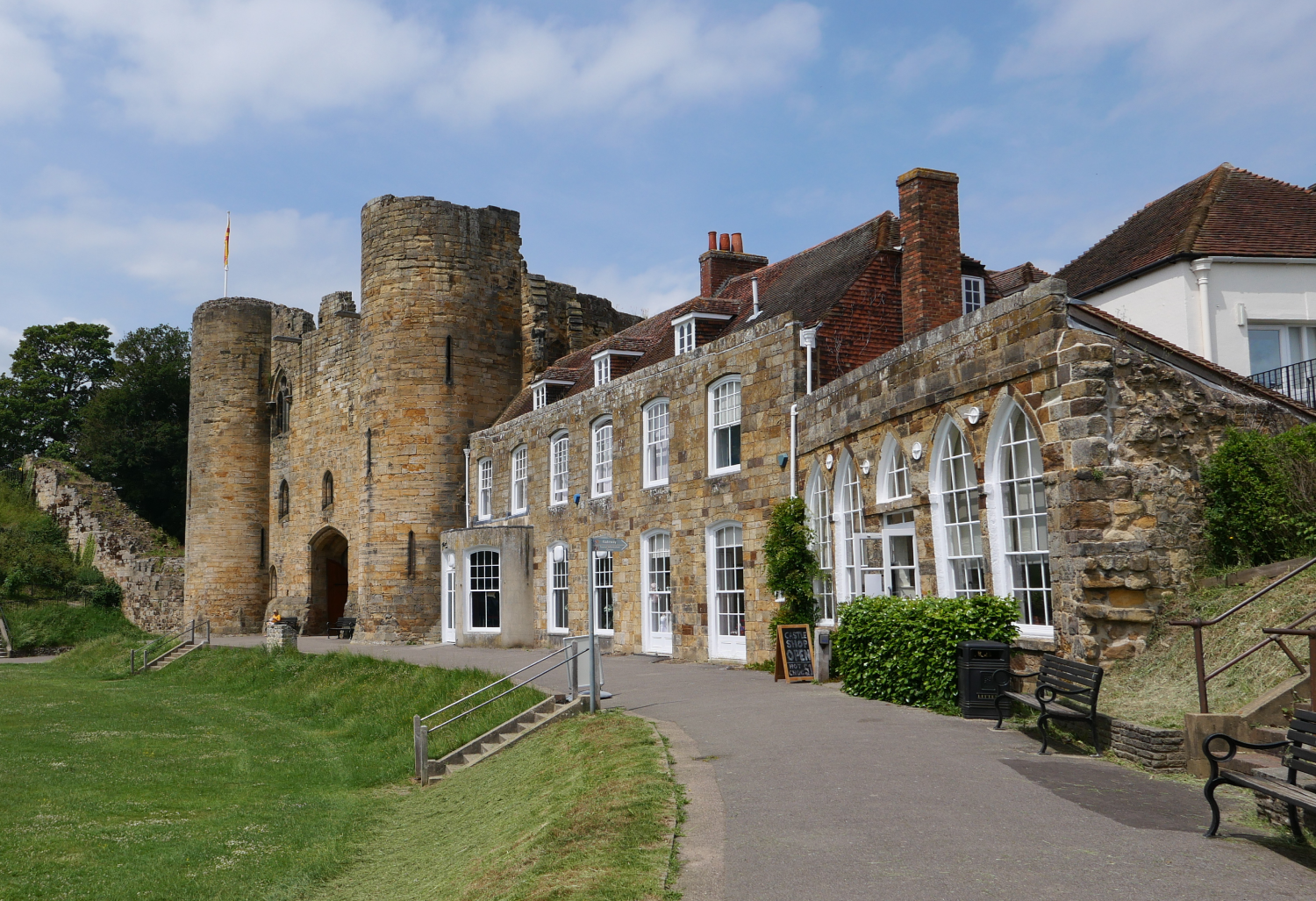
When an older or listed building gets wet, the wrong remedial approach can do more damage than the original incident. Traditional buildings often contain solid masonry, lime-based materials, older timber and mixed layers of historic and later fabric. These buildings manage moisture differently from modern construction, so they should not be treated like a standard plasterboard-and-cavity-wall property.
In practice, that means drying should be measured, evidence-led and proportionate. The aim is to reduce further deterioration, identify where moisture is actually retained, and avoid unnecessary strip-out of historic fabric wherever it can be safely retained and dried in a controlled manner.
A four-stage process designed around the specific demands of traditional and listed building construction.
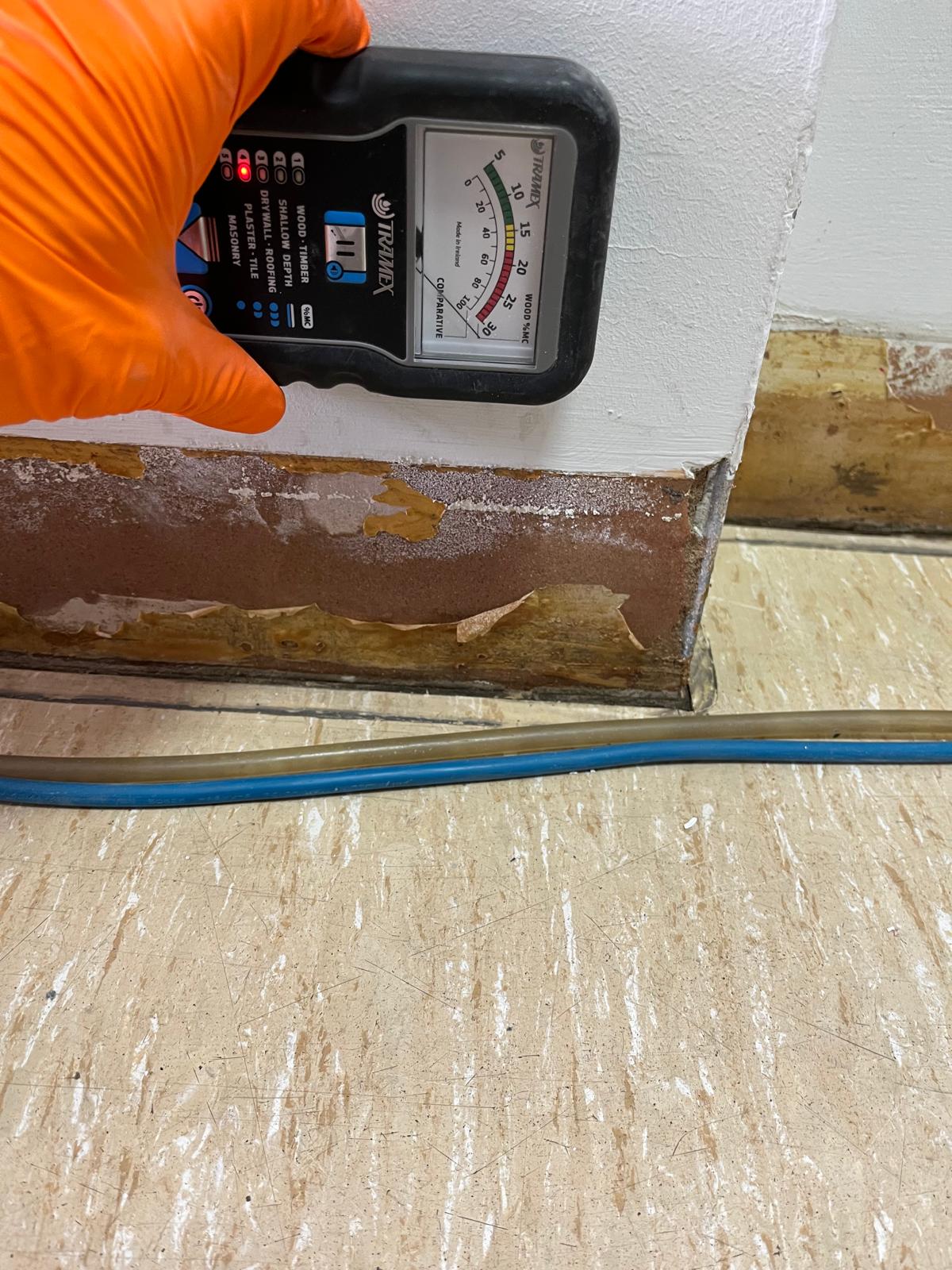
We begin by identifying the source of water ingress, the likely route of migration and the construction of the affected building. We use visual inspection, moisture readings, thermal imaging where appropriate, and ambient psychrometric assessment to understand the true extent of retained moisture before major decisions are made.
The first priority is to make the situation safe and limit further damage. In historic buildings, that may involve protecting vulnerable finishes, removing only clearly unsalvageable wet coverings, improving ventilation and avoiding blanket demolition before the construction has been properly assessed.
Older buildings generally need controlled, monitored drying rather than indiscriminate high-heat treatment. Depending on the construction and the extent of wetting, the drying strategy may involve ventilation, background heat, air movement, dehumidification and targeted opening-up of selected concealed areas. The objective is to dry the building safely and progressively, not simply to force the surface dry as quickly as possible.
Historic properties do not always return to the same equilibrium as modern buildings, so drying targets should be based on the construction, the intended finishes and the building’s ongoing use. We monitor progress using repeat readings and inspections to help establish when the structure is dry enough for the next stage.
If the property is listed, significant strip-out or alteration may require consultation with the local planning authority and, where applicable, listed building consent. This is especially important where works may affect original plaster, joinery, decorative mouldings, built-in features or other character-defining elements.
For insurers, surveyors, contract administrators and owners, early technical input can help define what needs to be opened up, what may be retained, and what should be referred through the appropriate heritage process before works proceed.
Works affecting the character of a listed building may require listed building consent. Our early technical input can help you and your conservation officer make informed decisions before strip-out begins.
We provide early-stage surveys to inform heritage decisions before strip-out begins.
Technical documentation for insurers, surveyors and local planning authorities.
We work with a wide range of historic and traditional property types affected by leaks, escape of water or flood damage.
Rated 4.4 / 5 on Google • Based on 25 reviews
"I contacted Flood Dr because I was not confident that a dehumidifier had dried the insulation below the screed floor in our garage conversion following a large hot water leak. Lukasz did the survey which was really thorough. He also headed the team who removed the mould hidden behind skirting board and plasterboard walls and treated everywhere to stop it returning, then thoroughly dried everywhere over 2 weeks. All very good listeners, great communications and really pleasant people. Extremely highly recommended."
"We have used Flood Dr on a few occasions and always been happy with their service and prices. Most recently we had a need to use them when we had several apartments in one block affected by an escape of water. Once the problem was sorted, they attended rapidly to clean up, move furniture, arrange the boxing up of personal effects and install drying equipment. All done with very little disruption given the amount of units affected."
"Flood Dr repaired my property and they did a professional job. I would highly recommend their service."
Accreditations & Memberships
Often, yes. Many traditional materials can often be retained and dried in a controlled manner if the extent of wetting, contamination and trapped moisture are properly understood. Strip-out should be based on evidence, not default assumptions.
Possibly. If the intended works affect the character of the listed building, listed building consent may be required. Significant strip-out of historic fabric should not be assumed to be automatically permitted. We advise getting early input from your conservation officer before any strip-out begins.
Usually by a controlled strategy that may include ventilation, measured background heat, air movement, dehumidification and targeted investigation of concealed areas. Overly rapid drying can damage traditional materials. Lime plaster and traditional finishes should be assessed before removal, as they can often be retained and dried in place.
They can be, but only as part of a controlled drying strategy. The correct approach depends on the building construction, source of wetting and whether moisture is trapped within the structure.
Yes. Flood Dr provides technical surveys and written reports to help identify moisture distribution, likely causes of damage and the scope of recommended remedial works. We can also issue a certificate of dryness on completion.
If you are dealing with a listed building leak, historic property water damage or need a technical moisture survey, contact Flood Dr for practical advice and a clear next-step plan.
📞 Call 0208 528 3311 Request a Free Quotation