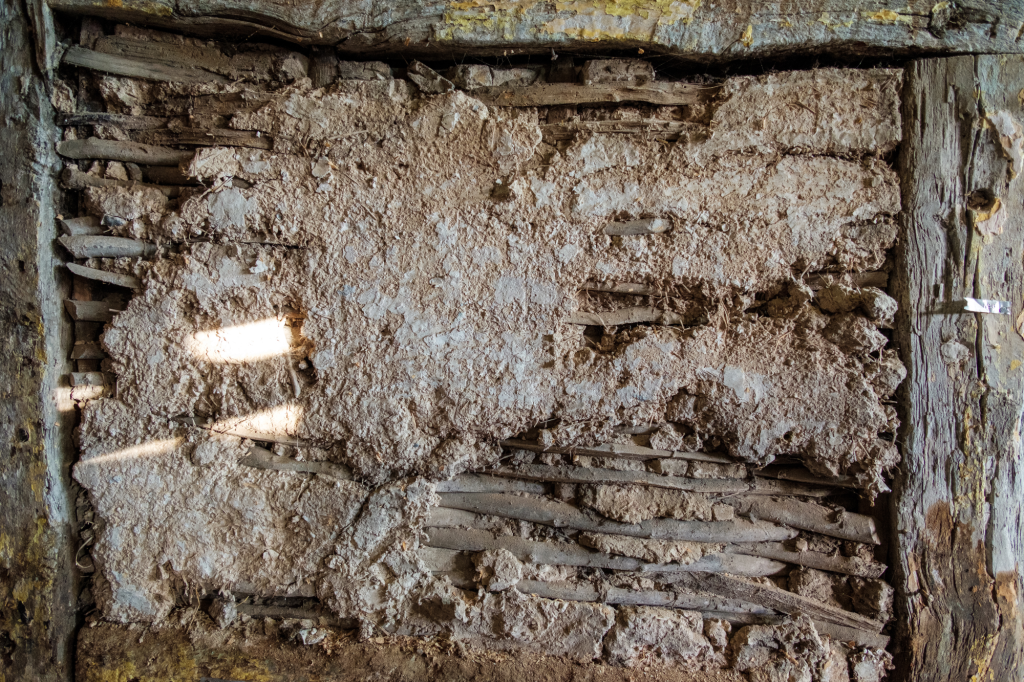
How to Dry a Listed Building After a Leak or Flood
When a listed building suffers a leak or flood, the obvious reaction is often to strip out wet materials and dry the property as quickly as possible. In a modern building, that may sometimes be reasonable. In a historic or traditionally constructed building, it can be the wrong move.
Older buildings behave differently. They are often made from permeable materials, they may contain mixed layers of historic and later fabric, and they usually need a more controlled, diagnostic approach. The right response is not “do less”, but “do the right work in the right order”.
Why listed buildings need a different drying strategy
Traditional buildings often contain solid masonry, lime-based plasters and mortars, older timber and original finishes that do not respond well to blanket strip-out or aggressive drying. If the building is forced dry too quickly, you can create new problems such as timber movement, cracking, failed finishes or trapped moisture behind impermeable repairs.
That is why listed and heritage properties should generally be approached with controlled drying, selective opening-up and careful monitoring rather than a standard “strip and blast dry” response.
What to do first after a leak or flood
The first priorities are source control and safety. Once the leak is stopped and the property is safe to inspect, the next step should be a proper moisture survey. That survey should identify the likely route of water migration, the extent of retained moisture and the key construction types involved before major strip-out decisions are taken.
If you need technical help at this stage, Flood Dr provides water damage surveys and reports and a dedicated historic building drying service for this type of situation.
Do not assume everything wet has to come out
One of the most expensive mistakes in a listed building is unnecessary removal of historic fabric. In many cases, materials that look badly affected at first can still be retained and dried if the underlying construction is properly understood. That includes old plaster, older timber and fixed interior features in the right circumstances.
This does not mean nothing should be removed. It means removal should be evidence-led. If a material is debonded, contaminated, structurally unsound or clearly beyond practical restoration, removal may well be necessary. The point is that the decision should be based on assessment, not assumption.
How should a listed building be dried?
Most historic properties should be dried in a measured way. Depending on the construction and the extent of wetting, the drying strategy may include ventilation, background heat, air movement, dehumidification and targeted opening-up of selected concealed areas.
The aim is to reduce further deterioration and bring the building back to a stable, usable condition without creating avoidable damage. In many cases, that means thinking about what is happening in the wall core, floor perimeter or ceiling build-up rather than relying only on how the surface looks.
What about listed building consent?
If the property is listed, major strip-out and alteration should not be treated as a routine matter. Works that affect the character of the listed building may require consultation with the local planning authority and, where applicable, listed building consent. This is particularly relevant where the intended works affect original plaster, joinery, decorative mouldings, built-in features or other character-defining elements.
Common problems after the wrong drying approach
- Cracked or failed plaster
- Warped, twisted or split timber
- Flaking paint finishes
- Moisture trapped behind impermeable repairs
- Longer drying times because concealed wetting was not properly addressed
- Higher reinstatement costs caused by unnecessary strip-out
When to call a specialist
You should strongly consider specialist input where the property is listed, pre-1919 or clearly of traditional construction; where moisture may be trapped in solid walls, ceilings or floor build-ups; or where the insurer, surveyor or contract administrator needs a technical scope before works progress.
Flood Dr already provides flood drying services, technical reporting and emergency response across London and the South East, making early-stage support straightforward where this kind of property is involved.
Need help with a listed or historic property?
If you are dealing with a listed building leak, historic property water damage or need a technical moisture survey, contact Flood Dr for practical advice and a clear next-step plan.